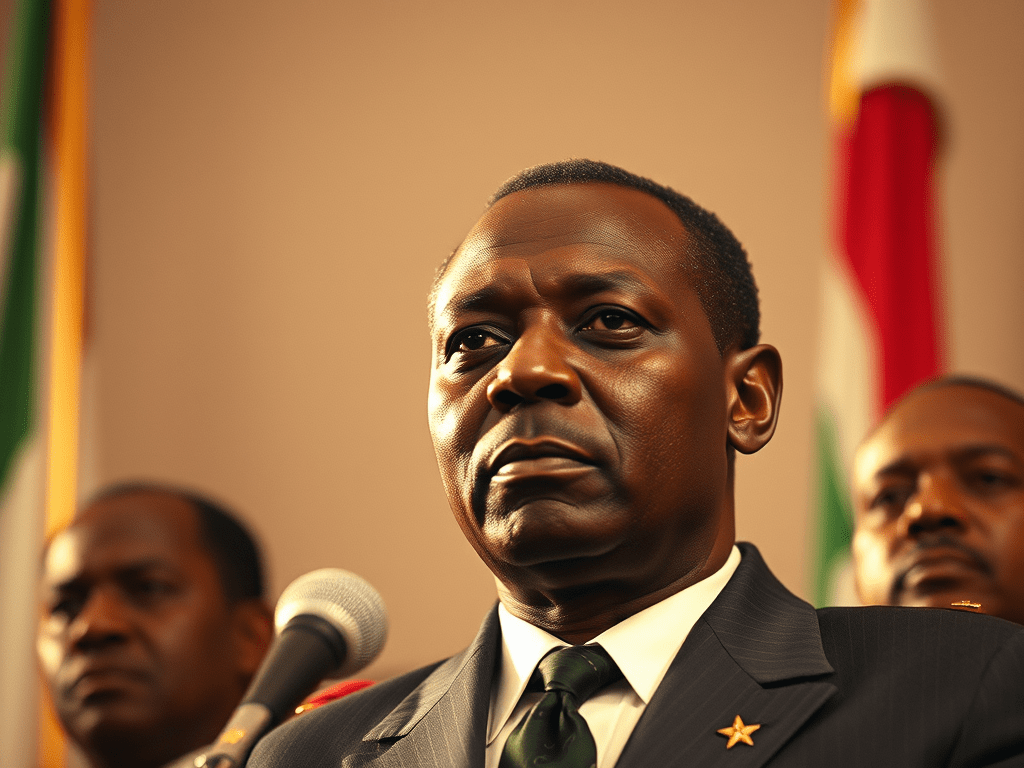
On October 2, 1958, Guinea boldly declared its independence from France, setting a powerful precedent in Africa’s fight against colonialism. This historic moment was led by the influential trade unionist and politician, Ahmed Sékou Touré, who became the first president of the newly independent republic. Under his leadership, Guinea rejected membership in the French Community, an alliance that preserved French control over former colonies in critical areas such as defense, foreign policy, and economic matters.
Guinea’s path to independence was distinct. As part of French Guinea, it had been incorporated into the Federation of French West Africa in 1895, subject to colonial rule. However, under the French Fourth Republic’s 1946 constitution, a few French-educated Africans were allowed to vote, granting a limited form of political engagement. This set the stage for growing nationalist sentiments.
When a referendum was held in 1958 on the constitution of the French Fifth Republic, only Guinea—largely influenced by Touré’s leadership—rejected continued ties with France. This rejection of neocolonial control was a courageous move, as Guinea was the sole French African colony to vote for complete independence.
In response, France withdrew abruptly, and in what was described as an act of vengeance, French authorities dismantled everything they could. The Washington Post described the departure as brutal, with the French removing light bulbs, burning medical supplies, and even stopping pension payments to Guinean soldiers who had fought for France. The goal was to deter other colonies from following Guinea’s example.
Despite these setbacks, Guinea established a left-leaning socialist government and aligned itself with the Soviet Union. Over time, it adopted a more Chinese model of socialism. In 1960, the French government launched “Opération Persil,” a covert operation aimed at destabilizing Guinea’s post-independence government due to Touré’s firm rejection of the CFA franc, a remnant of French monetary control over its former colonies.
Guinea’s independence marked a turning point in African history, showing that true sovereignty was attainable. Today, Guinea’s declaration stands as a symbol of resistance to colonial power and an inspiration to other nations seeking self-determination.


 Africa Defined
Leave a comment